Registration Is Open

Strength over strokes

Our Story
Strength Over Strokes was born from a personal journey that deeply impacted our family. After witnessing Minister Gail Black, the matriarch of Lady Kizzee’s family, endure multiple strokes, we recognized the urgent need for awareness and education. Our experiences ignited a passion to inform, empower, and support others in preventing and overcoming the challenges of strokes. Through advocacy and outreach, we are committed to making a difference—one life at a time.
Our Founder
LaTrice "Lady" Kizzee, founder of Strength Over Strokes, uses her personal experiences to advocate for stroke awareness and prevention. Her passion for education and outreach drives the mission to inform, empower, and support individuals affected by strokes.
Our Mission
Strength Over Strokes is dedicated to raising awareness, educating communities, and advocating for stroke prevention and recovery. Through outreach, support, and empowerment, we strive to reduce the impact of strokes and improve the quality of life for survivors and their families.
Meet the team
Christina Ferguson
Christina Ferguson is the mother of two young women and has spent over 30 years serving her community. She also has more than 20 years of experience in higher education, where she has worked to educate, mentor, and advocate for students and employees. Known for working quietly behind the scenes, Christina believes in making a difference through consistent service and dedication. Her faith, commitment to service, and passion for helping others continue to guide her work both personally and professionally.
Terri Clay
Terri is a devoted mother and grandmother whose greatest joy comes
from family and connecting with others. Her passion for helping people
has led her to a life deeply rooted in outreach ministry. Her compassion for those affected by life-changing illnesses drives her to raise awareness and offer support. Every day, she strives to live a life of service, faith, and love, making a difference wherever she goes.
Christine Mason-Hopkins
Christine Masón-Hopkins is a family-oriented individual with a deep commitment to serving others. Known for her willingness to lend a hand wherever it’s needed, she finds purpose in supporting both her loved ones and her community. Her compassionate spirit and dedication to service continue to inspire those around her.
helpful information
What is a stroke?
A stroke occurs when blood flow to the brain is blocked or a blood vessel bursts, causing brain cells to be deprived of oxygen and nutrients. This can lead to serious brain damage, disability, or even death. Strokes are a medical emergency that require immediate attention. Common warning signs include sudden numbness, confusion, trouble speaking, vision problems, dizziness, and severe headache. Recognizing the signs early and seeking prompt medical care can save lives and improve recovery outcomes.

- American Stroke Association Website
Signs of a Stroke
Watch for Sudden:
- NUMBNESS or weakness of face, arm, or leg, especially on one side of the body
- CONFUSION, trouble speaking or understanding speech
- TROUBLE SEEING in one or both eyes
- TROUBLE WALKING, dizziness, loss of balance or coordination
- SEVERE HEADACHE with no known cause

- American Stroke Association Website
F. A. S. T
F.A.S.T. Warning Signs of Stroke
Use the letters in F.A.S.T. to spot a Stroke
- F = Face Drooping – Does one side of the face droop or is it numb? Ask the person to smile. Is the person's smile uneven?
- A = Arm Weakness – Is one arm weak or numb? Ask the person to raise both arms. Does one arm drift downward?
- S = Speech Difficulty – Is speech slurred?
- T = Time to call 911 – Stroke is an emergency. Every minute counts. Call 911 immediately. Note the time when any of the symptoms first appear.

- American Stroke Association Website
Stroke Facts

Types of Stroke
A stroke, sometimes referred to as a brain attack, primarily occurs when the blood supply to the brain is blocked by a clot or tear in a blood vessel. There are 2 types of stroke called Ischemic and Hemorrhagic.
Ischemic Stroke (Clots)
An ischemic stroke occurs when a blood vessel supplying blood to the brain is obstructed, usually by a blood clot or a buildup of fatty deposits (atherosclerosis). This is the most common type of stroke, accounting for about 87% of all strokes, according to the AHA. The interruption in blood flow causes brain cells to begin dying within minutes due to lack of oxygen and nutrients.
Hemorrhagic Stroke (Bleeds)
A hemorrhagic stroke occurs when a weakened blood vessel in the brain ruptures and bleeds into the surrounding tissue. This bleeding puts pressure on brain cells and causes damage. The most common causes include high blood pressure and aneurysms. The AHA identifies two main types:
- Intracerebral hemorrhage (bleeding within the brain)
- Subarachnoid hemorrhage (bleeding into the space between the brain and the thin tissues covering it).
Transient Ischemic Attack (TIA)
A TIA, often called a mini-stroke, is caused by a temporary blockage of blood flow to the brain. Unlike a full stroke, the blockage is brief and symptoms usually resolve within minutes to hours, and no permanent brain damage occurs. However, a TIA is a serious warning sign—according to the AHA, 1 in 3 people who experience a TIA will go on to have a full stroke, often within days or weeks.
Stroke Statistics

- Stroke is the #1 Cause of Adult Disability in the USA, costing nearly $36.5 billion each year
- I out of 5 Americans will suffer a stroke in their lifetime
- A stroke occurs every 40 seconds and someone dies of stroke every four minutes
- Stroke kills nearly 129,000 Americans each year, making it the 5th leading cause of death
- There are about 411 deaths from stroke each day
- 88% of all strokes are Ischemic Strokes. Stroke is treatable with a high success rate if the patient arrives at a certified stroke center in time for treatment.
Time is Brain – Every Minute Counts
1.9 million neurons or 3 weeks of memory are lost in one minute during a stroke.
120 million neurons or 3.6 years of memory lost in one hour of an ischemic stroke.
Stroke Factors
Race/Ethnicity
- African Americans have almost two times the risk of White people of having a first stroke. Hispanic Americans and American Indian/Alaska Natives are at greater risk than White people are for having a stroke but are at less risk than African Americans. African Americans and Hispanics are more likely than White people to die after having a stroke.
Age.
- Stroke risk increases with age but can happen at any age.
Geography
The highest U.S. death rates from stroke occur in the southeastern United States.
Gender
- Men are more likely than women to have a stroke.
Certain lifestyle factors and conditions also increase the risk for stroke. The most important of these include:
- High blood pressure
- Diabetes
- Heart disease (such as atrial fibrillation)
- Previous stroke or transient ischemic attack
- Cigarette smoking
Pediatric Stroke
Overview
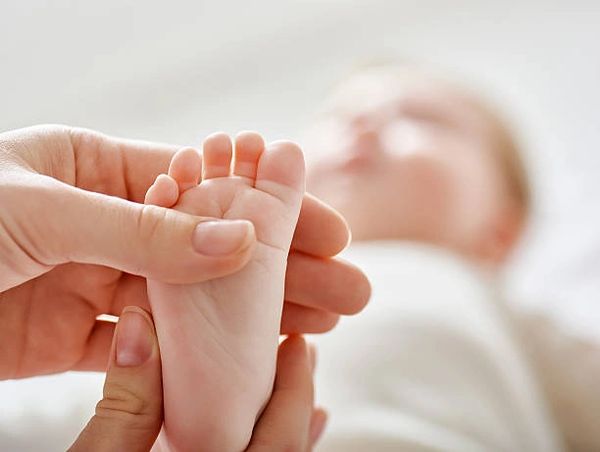
Pediatric stroke is a rare but serious, often life-threatening condition affecting approximately 1 in 4,000 newborns and 2–13 per 100,000 children annually. It is a top ten cause of childhood death, with highest risks during the perinatal period (birth to 28 days) and in children under 5, frequently causing lifelong neurological disabilities. https://pediatricstrokejournal.com/outcome-measures-in-pediatric-stroke-a-systematic-review/

Key Statistics
- Incidence: Roughly 1 in 4,000 newborns and 2,000+ older children in the U.S. each year.
- Highest Risk Periods: Perinatal (1 in 2,300–5,000 births) and children under 5.
- Types: Ischemic stroke (blocked artery) accounts for ~70% of cases, while hemorrhagic (bleeding) accounts for ~63% of deaths.
- Mortality/Morbidity: 10–25% mortality rate, with up to 25% of children experiencing a recurrence within 5 years.
- Global Burden: Low-to-middle-income countries account for 84% of incident cases. https://pmc.ncbi.nlm.nih.gov/articles/PMC8219494/
Key Risk Factors & Demographic Data
- Sex & Age: Boys have a slightly higher risk than girls. Ischemic stroke is common in younger children, while hemorrhagic is more common in adolescents.
- Perinatal Causes: Often tied to congenital heart disease, infections, and hypercoagulable states (pregnancy-related clotting factors).
- Race: Studies show a higher predisposition to earlier onset in Black and Asian children compared to other ethnicities.
- Long-Term Impact: Approximately 1 in 10 children have a recurrence within 5 years. https://pmc.ncbi.nlm.nih.gov/articles/PMC8219494/
Symptoms & Diagnosis
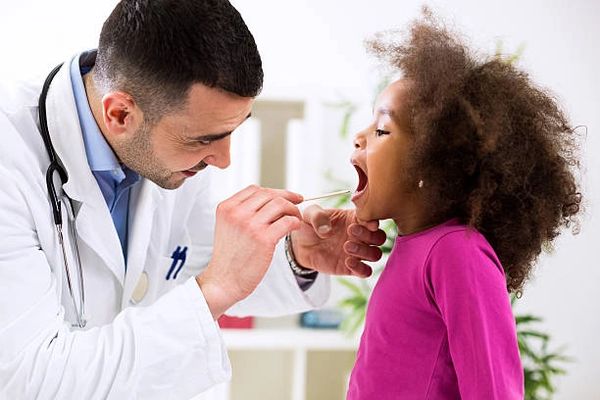
- Neonatal: Often presents with focal neurological deficits, though these occur in less than 25% of newborns.
- Toddlers/Children: Often present with non-specific symptoms such as seizures, acute headaches, vomiting, or sudden weakness.
- Diagnosis: Often delayed due to low clinical suspicion compared to adults. https://pmc.ncbi.nlm.nih.gov/articles/PMC9856134/
Community Event

Supporting A Stroke Survivor
As part of giving back to the community and supporting those impacted by a stroke, Strength Over Strokes is preparing for our annual giveaway. Stay connected to learn more about our Stroke Survivor and Care Givers food basket give aways.
Contact Us
We support you!
If you are a stroke survivor or caregiver, we are here to support you. Please contact us if we can assist you in any way. Your journey matters, and we are committed to providing the resources and encouragement you need.
Strength Over Strokes
